Buy regenstiefel.net ?
We are moving the project
regenstiefel.net .
Are you interested in purchasing the domain
regenstiefel.net ?
domain@kv-gmbh.de · 0541-91531010
Buy regenstiefel.net ?
How does the car smell after a rubber coupling?
After a rubber coupling, the car may have a distinct rubbery smell that can linger for some time. This smell is often described as strong and slightly unpleasant. It is important to ensure proper ventilation in the car to help dissipate the smell. If the smell persists or worsens, it may be a sign of a larger issue with the car's rubber components that should be addressed by a mechanic. **
How can one make a UHF PL 259 coupling waterproof?
To make a UHF PL 259 coupling waterproof, you can use a waterproofing compound or sealant specifically designed for electrical connections. Apply the compound or sealant to the threads of the coupling before screwing it onto the connector. This will create a waterproof barrier and prevent moisture from entering the connection. Additionally, you can use waterproof tape or heat shrink tubing to further protect the coupling from water and moisture. Regularly inspect the coupling for any signs of wear or damage to ensure it remains waterproof. **
Similar search terms for Coupling
Top-Angebote
Products related to Coupling:
-
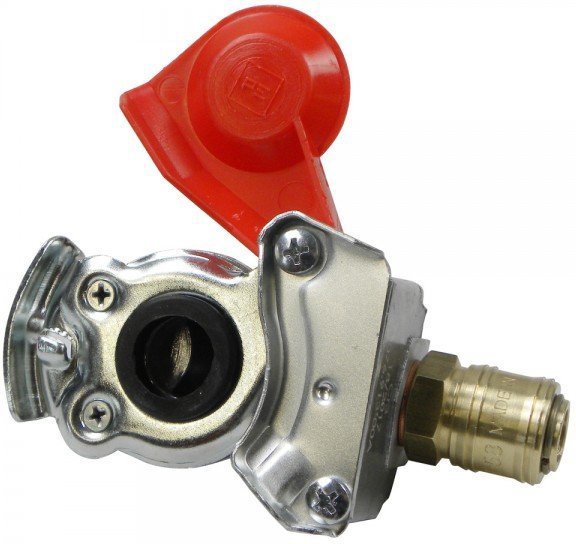
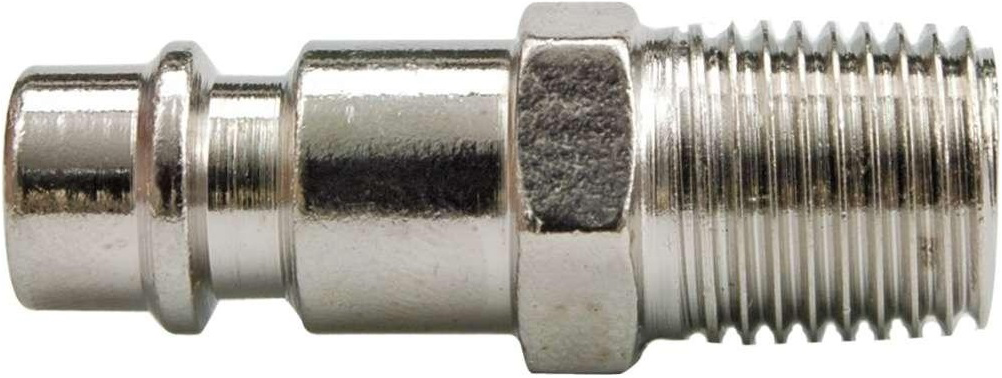
WABCO 9522000210 Coupling HeadWeight [kg]: 0,201; Operating Pressure [bar]: 10; Connecting thread: M 16x1.5; Colour: red; Vehicle Equipment Line/Trim Level: (42) 022232/01, (42) 022232/02, (42) 022503/01, (42) 022503/04, (42) 022872/02, (42) 022872/03, (42) 022872/04, (42) 022872/08, (42) 023729/03, (42) 025339/01, (42) 025339/02, (42) 032246/01, (42) 032246/02, (42) 032246/03, (42) 032246/04, (42) 032246/05, (42) 032246/06, (42) 032246/07, (42) 032246/08, (42) 032246/09, (42) 032246/10, (42) 032246/11, (42) 032246/12, (42) 032246/13, (42) 032246/14, (42) 032246/15, (42) 032246/16, (42) 032246/17, (42) 032246/18, (42) 032246/19, (42) 032246/20, (42) 032246/22, (42) 032246/23, (42) 032246/24, (42) 032246/25, (42) 032246/27, (42) 032246/29, (42) 032246/30, (42) 032507/02, (42) 032507/09, (42) 032835/01, (42) 032835/02, (42) 032835/03, (42) 032835/05, (42) 032835/06, (42) 032835/07, (42) 032835/09, (42) 032835/13, (42) 032835/14, (42) 032835/15, (42) 032835/16, (42) 032835/18, (42) 033439/01, (42) 033439/03, (42) 033439/04, (42) 033439/05, (42) 033439/06, (42) 509200/03, (42) 591053/01, (42) w42737/01, (42,24) 024717/01, (42,24) 024717/03, (42,24) 024717/04, (42,24) 024717/05, (42,24) 024717/07, (42,46) 517077/03, (42,46) 517077/04, (42,46) 517077/07, (42,46) 517077/08, 51,52 81.#2600.0576, 51,90 82.#2610.K004, 51,90 85.#2610-0035; Vehicle Identification Number (VIN) from: K 053 740; Vehicle type: 300.112, 300.142, 300.162, 300.312, 300.342, 300.362, 300.394, 307.000, 307.100, 357.000, 357.001, 357.004, 357.005, 357.010, 357.011, 357.100, 357.110, 357.120, 357.130, 357.150, 357.160, 357.180, 357.200, 357.201, 357.210, 357.211, 357.400, 357.401, 357.402, 357.404, 357.406, 357.410, 357.415, 357.420, 357.422, 357.424, 357.425, 357.430, 357.432, 357.434, 357.435, 357.436, 357.438, 357.440, 357.442, 357.444, 357.450, 357.451, 357.454, 357.455, 357.460, 357.461, 357.464, 357.465, 357.466, 357.470, 357.474, 357.476, 357.480, 357.484, 357.486, 357.488, 357.530, 357.532, 357.540, 357.542, 357.550, 357.552, 357.560, 357.562, 357.580, 380.002, 380.003, 380.004, 380.005, 380.007, 380.008, 380.012, 380.013, 380.014, 380.015, 380.017, 380.018, 380.040, 380.043, 380.050, 380.051, 380.052, 380.053, 380.060, 380.061, 380.065, 380.066, 380.102, 380.103, 380.104, 380.112, 380.113, 380.114, 380.140, 380.143, 380.151, 381.002, 381.003, 381.005, 381.007, 381.008, 381.012, 381.013, 381.015, 381.017, 381.018, 381.022, 381.023, 381.025, 381.027, 381.028, 381.040, 381.043, 381.046, 381.050, 381.051, 381.052, 381.054, 381.055, 381.060, 381.061, 381.065, 381.066, 381.102, 381.103, 381.104, 381.112, 381.113, 381.114, 381.122, 381.123, 381.140, 381.143, 381.146, 381.150, 381.151, 381.160, 381.161, 381.212, 381.213, 381.215, 381.217, 381.218, 381.251, 381.252, 383.002, 383.003, 383.005, 383.007, 383.008, 383.010, 383.011, 383.013, 383.015, 383.017, 383.018, 383.022, 383.023, 383.025, 383.027, 383.028, 383.033, 383.035, 383.037, 383.038, 383.040, 383.041, 383.043, 383.044, 383.046, 383.047, 383.048, 383.049,...12,49 £*Shipping: 8,45 £Secure redirect to the provider

-
What are coupling effects?
Coupling effects refer to the interactions between different components or systems that can affect each other's behavior or performance. These effects can be either positive, where the interaction enhances the overall performance, or negative, where the interaction hinders the performance. Coupling effects are important to consider in various fields such as engineering, physics, and biology, as they can have significant implications on the overall system dynamics. Understanding and managing coupling effects is crucial for optimizing the performance and reliability of complex systems. **
-
What happens during coupling?
During coupling, two or more individuals come together to form a partnership or relationship. This can involve emotional, physical, or social connections between the individuals. Coupling often leads to increased intimacy, shared experiences, and mutual support between the individuals involved. It can also result in the formation of a committed relationship or marriage. **
-
What happens when coupling?
When coupling, two or more systems or components are connected or linked together to work in conjunction with each other. This can lead to an increase in efficiency, as the systems can work together to achieve a common goal. Coupling can also lead to an increase in complexity, as the interconnected systems may become more interdependent. Additionally, coupling can also lead to potential issues if one system fails or malfunctions, as it can impact the performance of the other interconnected systems. **
-
What is capacitive coupling?
Capacitive coupling is a method of transferring electrical energy between two adjacent conductors without direct electrical connection. It occurs when an electric field is formed between two conductors, and the changing electric field induces a voltage in the adjacent conductor. This phenomenon is commonly used in electronic circuits for signal transmission, noise reduction, and power transfer. Capacitive coupling can be intentional, such as in capacitive touchscreens, or unintentional, such as in crosstalk between adjacent traces on a printed circuit board. **

What does energetic coupling mean?
Energetic coupling refers to the phenomenon where two systems or entities exchange energy with each other, leading to a mutual influence or synchronization of their energies. This can occur in various forms, such as emotional, physical, or spiritual connections between individuals. Energetic coupling can result in a harmonious exchange of energy, but it can also lead to draining or imbalanced relationships if one party is giving more energy than they are receiving. **
What is a coupling impedance?
Coupling impedance is a measure of the ability of two circuits to transfer energy between each other. It represents the impedance that one circuit presents to the other when energy is being transferred between them. A low coupling impedance indicates efficient energy transfer, while a high coupling impedance indicates poor energy transfer. It is an important parameter in the design and analysis of coupled circuits, such as transformers and antennas. **
Top-Angebote
Products related to Coupling:
-
How does the car smell after a rubber coupling?
After a rubber coupling, the car may have a distinct rubbery smell that can linger for some time. This smell is often described as strong and slightly unpleasant. It is important to ensure proper ventilation in the car to help dissipate the smell. If the smell persists or worsens, it may be a sign of a larger issue with the car's rubber components that should be addressed by a mechanic. **
-
How can one make a UHF PL 259 coupling waterproof?
To make a UHF PL 259 coupling waterproof, you can use a waterproofing compound or sealant specifically designed for electrical connections. Apply the compound or sealant to the threads of the coupling before screwing it onto the connector. This will create a waterproof barrier and prevent moisture from entering the connection. Additionally, you can use waterproof tape or heat shrink tubing to further protect the coupling from water and moisture. Regularly inspect the coupling for any signs of wear or damage to ensure it remains waterproof. **
-
What are coupling effects?
Coupling effects refer to the interactions between different components or systems that can affect each other's behavior or performance. These effects can be either positive, where the interaction enhances the overall performance, or negative, where the interaction hinders the performance. Coupling effects are important to consider in various fields such as engineering, physics, and biology, as they can have significant implications on the overall system dynamics. Understanding and managing coupling effects is crucial for optimizing the performance and reliability of complex systems. **
-
What happens during coupling?
During coupling, two or more individuals come together to form a partnership or relationship. This can involve emotional, physical, or social connections between the individuals. Coupling often leads to increased intimacy, shared experiences, and mutual support between the individuals involved. It can also result in the formation of a committed relationship or marriage. **
Similar search terms for Coupling
-
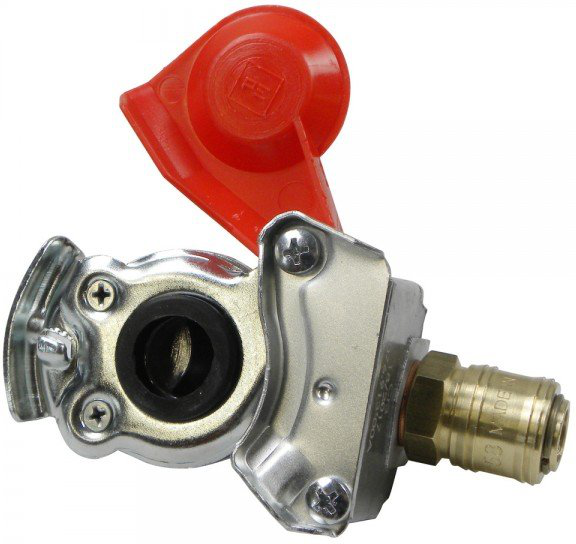
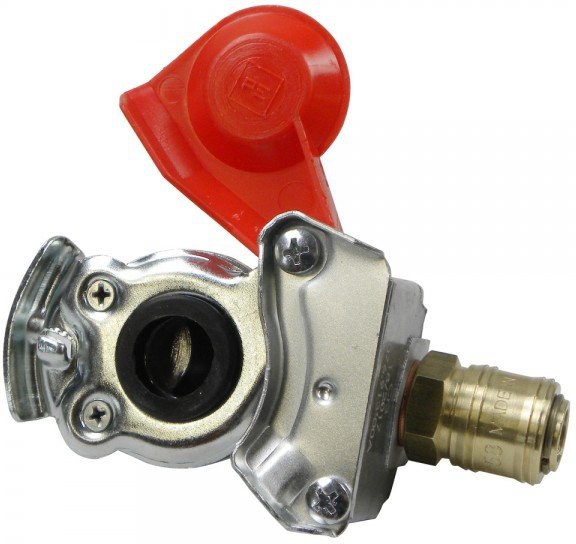
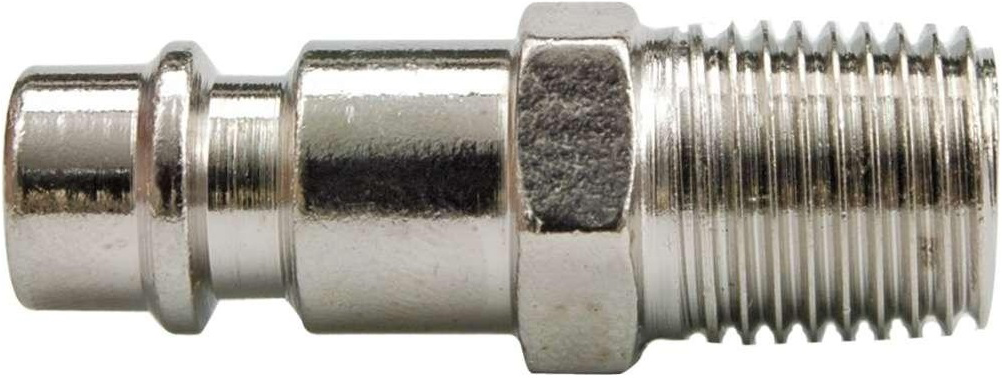
WABCO 9522000210 Coupling HeadWeight [kg]: 0,201; Operating Pressure [bar]: 10; Connecting thread: M 16x1.5; Colour: red; Vehicle Equipment Line/Trim Level: (42) 022232/01, (42) 022232/02, (42) 022503/01, (42) 022503/04, (42) 022872/02, (42) 022872/03, (42) 022872/04, (42) 022872/08, (42) 023729/03, (42) 025339/01, (42) 025339/02, (42) 032246/01, (42) 032246/02, (42) 032246/03, (42) 032246/04, (42) 032246/05, (42) 032246/06, (42) 032246/07, (42) 032246/08, (42) 032246/09, (42) 032246/10, (42) 032246/11, (42) 032246/12, (42) 032246/13, (42) 032246/14, (42) 032246/15, (42) 032246/16, (42) 032246/17, (42) 032246/18, (42) 032246/19, (42) 032246/20, (42) 032246/22, (42) 032246/23, (42) 032246/24, (42) 032246/25, (42) 032246/27, (42) 032246/29, (42) 032246/30, (42) 032507/02, (42) 032507/09, (42) 032835/01, (42) 032835/02, (42) 032835/03, (42) 032835/05, (42) 032835/06, (42) 032835/07, (42) 032835/09, (42) 032835/13, (42) 032835/14, (42) 032835/15, (42) 032835/16, (42) 032835/18, (42) 033439/01, (42) 033439/03, (42) 033439/04, (42) 033439/05, (42) 033439/06, (42) 509200/03, (42) 591053/01, (42) w42737/01, (42,24) 024717/01, (42,24) 024717/03, (42,24) 024717/04, (42,24) 024717/05, (42,24) 024717/07, (42,46) 517077/03, (42,46) 517077/04, (42,46) 517077/07, (42,46) 517077/08, 51,52 81.#2600.0576, 51,90 82.#2610.K004, 51,90 85.#2610-0035; Vehicle Identification Number (VIN) from: K 053 740; Vehicle type: 300.112, 300.142, 300.162, 300.312, 300.342, 300.362, 300.394, 307.000, 307.100, 357.000, 357.001, 357.004, 357.005, 357.010, 357.011, 357.100, 357.110, 357.120, 357.130, 357.150, 357.160, 357.180, 357.200, 357.201, 357.210, 357.211, 357.400, 357.401, 357.402, 357.404, 357.406, 357.410, 357.415, 357.420, 357.422, 357.424, 357.425, 357.430, 357.432, 357.434, 357.435, 357.436, 357.438, 357.440, 357.442, 357.444, 357.450, 357.451, 357.454, 357.455, 357.460, 357.461, 357.464, 357.465, 357.466, 357.470, 357.474, 357.476, 357.480, 357.484, 357.486, 357.488, 357.530, 357.532, 357.540, 357.542, 357.550, 357.552, 357.560, 357.562, 357.580, 380.002, 380.003, 380.004, 380.005, 380.007, 380.008, 380.012, 380.013, 380.014, 380.015, 380.017, 380.018, 380.040, 380.043, 380.050, 380.051, 380.052, 380.053, 380.060, 380.061, 380.065, 380.066, 380.102, 380.103, 380.104, 380.112, 380.113, 380.114, 380.140, 380.143, 380.151, 381.002, 381.003, 381.005, 381.007, 381.008, 381.012, 381.013, 381.015, 381.017, 381.018, 381.022, 381.023, 381.025, 381.027, 381.028, 381.040, 381.043, 381.046, 381.050, 381.051, 381.052, 381.054, 381.055, 381.060, 381.061, 381.065, 381.066, 381.102, 381.103, 381.104, 381.112, 381.113, 381.114, 381.122, 381.123, 381.140, 381.143, 381.146, 381.150, 381.151, 381.160, 381.161, 381.212, 381.213, 381.215, 381.217, 381.218, 381.251, 381.252, 383.002, 383.003, 383.005, 383.007, 383.008, 383.010, 383.011, 383.013, 383.015, 383.017, 383.018, 383.022, 383.023, 383.025, 383.027, 383.028, 383.033, 383.035, 383.037, 383.038, 383.040, 383.041, 383.043, 383.044, 383.046, 383.047, 383.048, 383.049,...12,49 £*Shipping: 8,45 £Secure redirect to the provider
-
What happens when coupling?
When coupling, two or more systems or components are connected or linked together to work in conjunction with each other. This can lead to an increase in efficiency, as the systems can work together to achieve a common goal. Coupling can also lead to an increase in complexity, as the interconnected systems may become more interdependent. Additionally, coupling can also lead to potential issues if one system fails or malfunctions, as it can impact the performance of the other interconnected systems. **
-
What is capacitive coupling?
Capacitive coupling is a method of transferring electrical energy between two adjacent conductors without direct electrical connection. It occurs when an electric field is formed between two conductors, and the changing electric field induces a voltage in the adjacent conductor. This phenomenon is commonly used in electronic circuits for signal transmission, noise reduction, and power transfer. Capacitive coupling can be intentional, such as in capacitive touchscreens, or unintentional, such as in crosstalk between adjacent traces on a printed circuit board. **
-
What does energetic coupling mean?
Energetic coupling refers to the phenomenon where two systems or entities exchange energy with each other, leading to a mutual influence or synchronization of their energies. This can occur in various forms, such as emotional, physical, or spiritual connections between individuals. Energetic coupling can result in a harmonious exchange of energy, but it can also lead to draining or imbalanced relationships if one party is giving more energy than they are receiving. **
-
What is a coupling impedance?
Coupling impedance is a measure of the ability of two circuits to transfer energy between each other. It represents the impedance that one circuit presents to the other when energy is being transferred between them. A low coupling impedance indicates efficient energy transfer, while a high coupling impedance indicates poor energy transfer. It is an important parameter in the design and analysis of coupled circuits, such as transformers and antennas. **
* All prices are inclusive of VAT and, if applicable, plus shipping costs. The offer information is based on the details provided by the respective shop and is updated through automated processes. Real-time updates do not occur, so deviations can occur in individual cases. ** Note: Parts of this content were created by AI.