Buy regenstiefel.net ?
We are moving the project
regenstiefel.net .
Are you interested in purchasing the domain
regenstiefel.net ?
domain@kv-gmbh.de · 0541-91531010
Buy regenstiefel.net ?
Which chain riveting tool?
The choice of a chain riveting tool depends on the specific needs and requirements of the user. Factors to consider include the type and size of the chain, the frequency of use, and the budget. Some popular options include the Park Tool CT-3.3, the Motion Pro PBR Chain Tool, and the RK Racing Chain Pro Chain Breaker and Riveting Tool. It's important to research and compare different tools to find the one that best suits your needs. **
What is the difference between hot and cold riveting?
Hot riveting involves heating the rivet before placing it in the hole, which helps to make it more malleable and easier to form a tight joint. Cold riveting, on the other hand, does not involve heating the rivet and relies on mechanical force to form the joint. Hot riveting is typically used for larger and heavier structures, while cold riveting is more commonly used for smaller and lighter applications. Overall, hot riveting tends to create a stronger and more durable joint compared to cold riveting. **

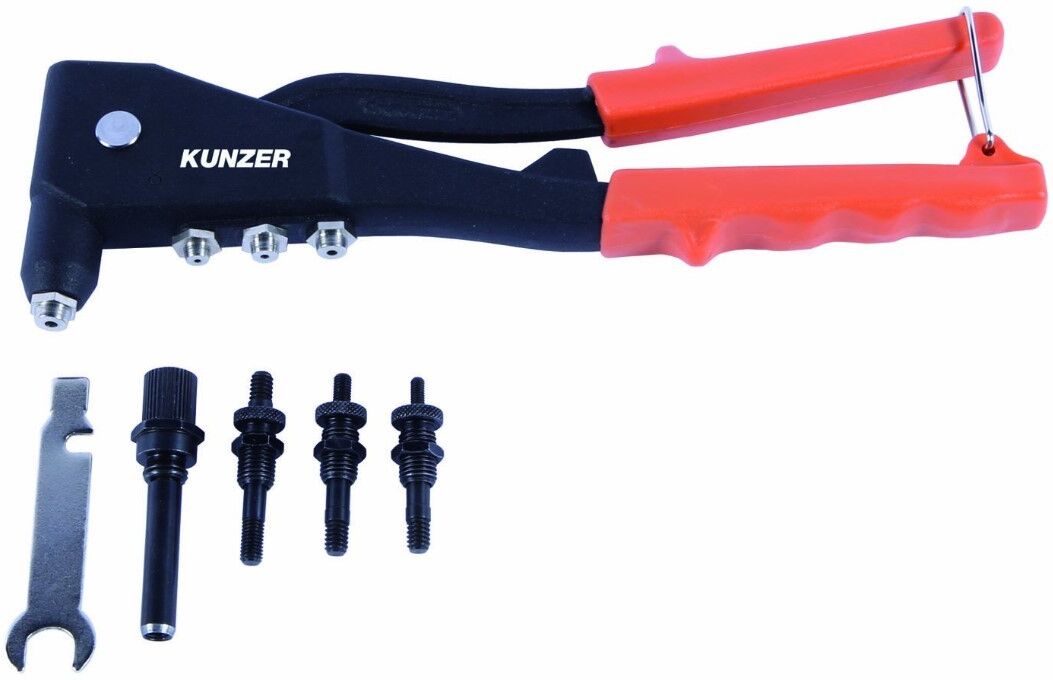
Similar search terms for Riveting
Top-Angebote
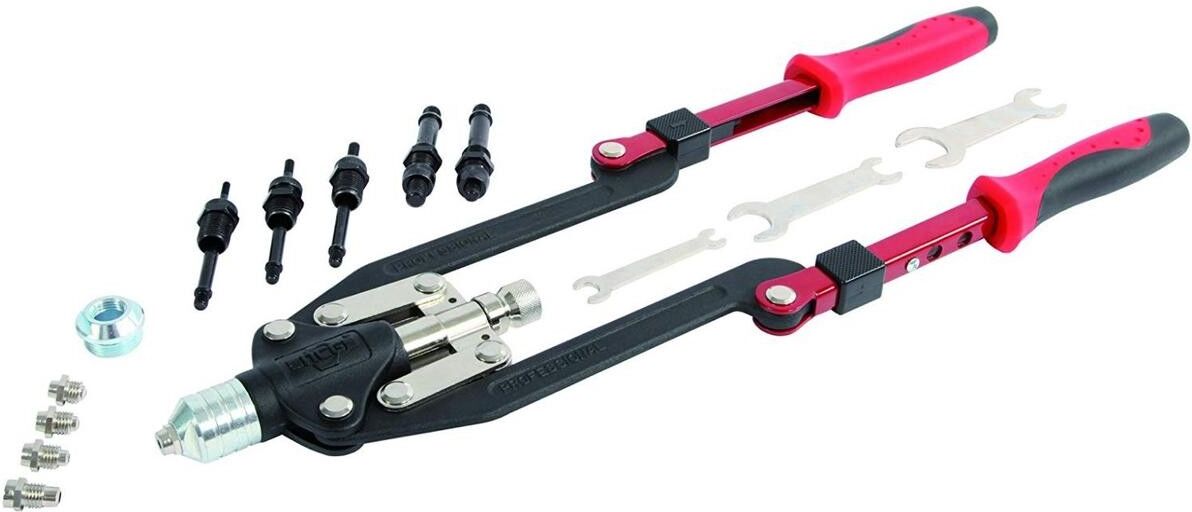
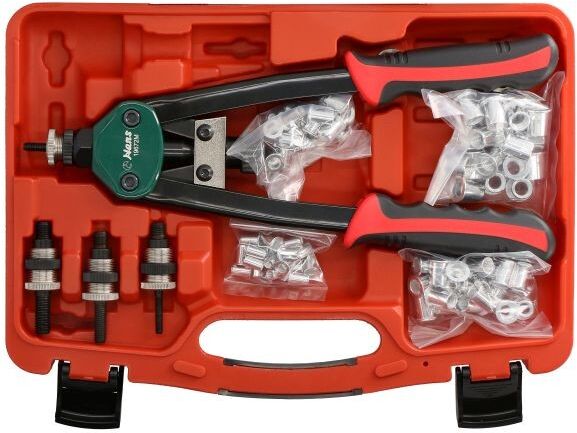
Products related to Riveting:


-
Would you go into the mud wearing rubber boots and a rubber raincoat in the rain?
Yes, I would go into the mud wearing rubber boots and a rubber raincoat in the rain. The rubber boots and raincoat would protect me from getting wet and dirty, allowing me to enjoy the rain and the mud without worrying about ruining my clothes. Plus, it can be a fun and adventurous experience to splash around in the mud while staying dry and comfortable. **
-
What are rain gear and rain pants mud?
Rain gear and rain pants are designed to protect the wearer from getting wet in rainy conditions. They are typically made from waterproof materials such as Gore-Tex or nylon, which repel water and keep the wearer dry. Rain gear and rain pants are also often equipped with features like sealed seams and adjustable cuffs to further prevent water from seeping in. Overall, they are essential items for anyone who spends time outdoors in wet weather. **
-
What are the advantages of screws compared to other joining methods such as riveting, welding, soldering, and gluing?
Screws offer several advantages over other joining methods. They provide a strong and secure connection that can be easily disassembled if needed, unlike welding or soldering which create permanent bonds. Screws also allow for adjustments and fine-tuning during assembly, which is not possible with riveting or gluing. Additionally, screws distribute the load evenly across the joint, reducing the risk of stress concentration and potential failure compared to other methods. **
-
When do you use rubber gloves for gardening?
Rubber gloves are typically used for gardening when handling chemicals, fertilizers, or pesticides to protect the skin from irritation or potential harm. They are also useful when working with thorny plants or rough materials that could cause cuts or abrasions. Additionally, some gardeners prefer to wear rubber gloves when handling soil to prevent dirt from getting under their fingernails or to protect against potential allergens. **
What is best for mud and rain?
For mud and rain, the best option is to wear waterproof and slip-resistant footwear. Look for shoes or boots with a sturdy rubber sole and a waterproof upper to keep your feet dry and provide traction in slippery conditions. Additionally, consider choosing footwear with a higher ankle to prevent mud and water from getting inside your shoes. It's also a good idea to look for shoes with a breathable lining to prevent your feet from getting too hot and sweaty. **
How do I waterproof rubber boots?
To waterproof rubber boots, you can use a silicone-based waterproofing spray or a rubber conditioner. Make sure the boots are clean and dry before applying the product. Spray or rub the waterproofing solution all over the boots, paying extra attention to seams and areas where water may seep in. Allow the boots to dry completely before wearing them in wet conditions. **
Top-Angebote
Products related to Riveting:
-
Which chain riveting tool?
The choice of a chain riveting tool depends on the specific needs and requirements of the user. Factors to consider include the type and size of the chain, the frequency of use, and the budget. Some popular options include the Park Tool CT-3.3, the Motion Pro PBR Chain Tool, and the RK Racing Chain Pro Chain Breaker and Riveting Tool. It's important to research and compare different tools to find the one that best suits your needs. **
-
What is the difference between hot and cold riveting?
Hot riveting involves heating the rivet before placing it in the hole, which helps to make it more malleable and easier to form a tight joint. Cold riveting, on the other hand, does not involve heating the rivet and relies on mechanical force to form the joint. Hot riveting is typically used for larger and heavier structures, while cold riveting is more commonly used for smaller and lighter applications. Overall, hot riveting tends to create a stronger and more durable joint compared to cold riveting. **
-
Would you go into the mud wearing rubber boots and a rubber raincoat in the rain?
Yes, I would go into the mud wearing rubber boots and a rubber raincoat in the rain. The rubber boots and raincoat would protect me from getting wet and dirty, allowing me to enjoy the rain and the mud without worrying about ruining my clothes. Plus, it can be a fun and adventurous experience to splash around in the mud while staying dry and comfortable. **
-
What are rain gear and rain pants mud?
Rain gear and rain pants are designed to protect the wearer from getting wet in rainy conditions. They are typically made from waterproof materials such as Gore-Tex or nylon, which repel water and keep the wearer dry. Rain gear and rain pants are also often equipped with features like sealed seams and adjustable cuffs to further prevent water from seeping in. Overall, they are essential items for anyone who spends time outdoors in wet weather. **
Similar search terms for Riveting
-
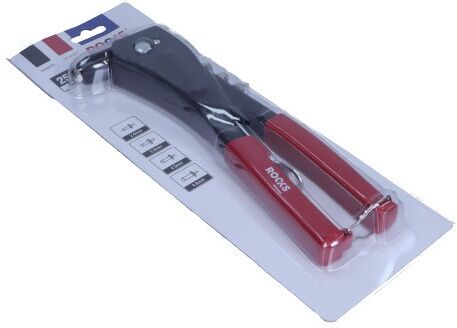
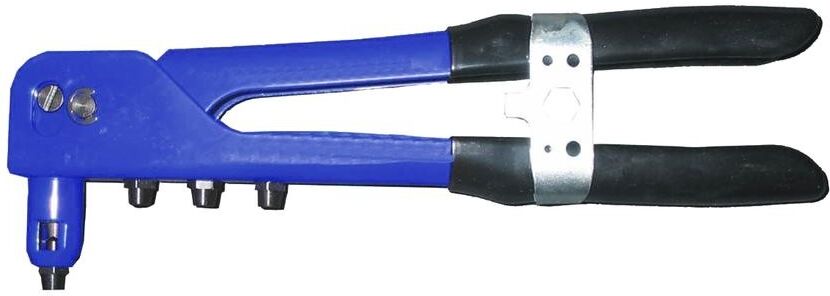
SW-Stahl 42710SB Riveting PliersRivet Type: Aluminiumnieten; Max. Rivet Nut Diameter: Rivet Nuts not possible; Length [mm]: 250; Material: Sheet Steel; Quality: Industrie / Profi; Packaging: Blister Card; Width [mm]: 345; Height: 33; Weight [kg]: 0,626; Rivet Diameter from [mm]: 2.4; Rivet Diameter up to [mm]: 4.8; Number of adapters: 4; Tool handle surface: Plastic-coated; Container Type: Blister Pack; Weight [g]: 49426,99 £*Shipping: 8,45 £Secure redirect to the provider
-
What are the advantages of screws compared to other joining methods such as riveting, welding, soldering, and gluing?
Screws offer several advantages over other joining methods. They provide a strong and secure connection that can be easily disassembled if needed, unlike welding or soldering which create permanent bonds. Screws also allow for adjustments and fine-tuning during assembly, which is not possible with riveting or gluing. Additionally, screws distribute the load evenly across the joint, reducing the risk of stress concentration and potential failure compared to other methods. **
-
When do you use rubber gloves for gardening?
Rubber gloves are typically used for gardening when handling chemicals, fertilizers, or pesticides to protect the skin from irritation or potential harm. They are also useful when working with thorny plants or rough materials that could cause cuts or abrasions. Additionally, some gardeners prefer to wear rubber gloves when handling soil to prevent dirt from getting under their fingernails or to protect against potential allergens. **
-
What is best for mud and rain?
For mud and rain, the best option is to wear waterproof and slip-resistant footwear. Look for shoes or boots with a sturdy rubber sole and a waterproof upper to keep your feet dry and provide traction in slippery conditions. Additionally, consider choosing footwear with a higher ankle to prevent mud and water from getting inside your shoes. It's also a good idea to look for shoes with a breathable lining to prevent your feet from getting too hot and sweaty. **
-
How do I waterproof rubber boots?
To waterproof rubber boots, you can use a silicone-based waterproofing spray or a rubber conditioner. Make sure the boots are clean and dry before applying the product. Spray or rub the waterproofing solution all over the boots, paying extra attention to seams and areas where water may seep in. Allow the boots to dry completely before wearing them in wet conditions. **
* All prices are inclusive of VAT and, if applicable, plus shipping costs. The offer information is based on the details provided by the respective shop and is updated through automated processes. Real-time updates do not occur, so deviations can occur in individual cases. ** Note: Parts of this content were created by AI.